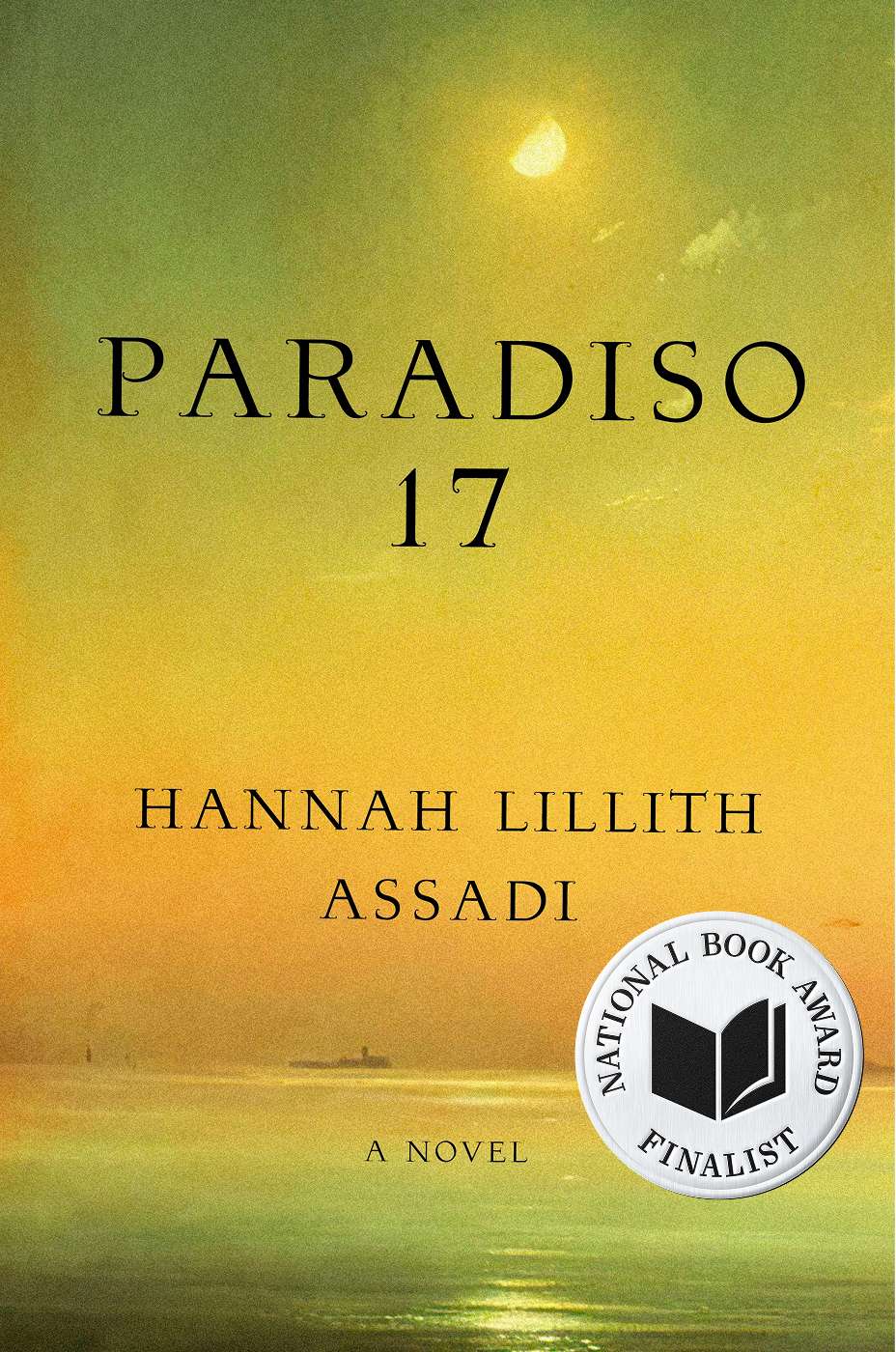
From the publisher:
All his life, exile has been the shadow stitched to the sole of Sufien’s shoe.
Born in Palestine on the precipice of 1948’s Nakba, Sufien is forced to leave the only home he’s ever known, the one on the hill with a beautiful blue door. This is the precise moment when time stops making sense. He spends the rest of his life propelled forward, always on the way—although in search of what, he is never quite sure. In the dusty, oil-rich desert of Kuwait, he meets his first love and decides he must leave his family. In a small Italian university town, he spends his youth wrapped up in the sweet promise of the West and the forgetful assurance of wine. When life takes him to a gritty New York, he discovers his true vocation and falls for a Jewish woman born into a wholly different world. Finally, he finds himself recalled to the wild, vast open skies of the desert, in Arizona.
Sufien’s life spans friendships lost and maintained, a stint selling leathers at a tanner’s stall, the ineffable company of cats, and the freedom of the open road, the glowing pride of fatherhood, Sufi myths, prophetic dreams, and visions of the afterlife—and always, always, no matter how far he chases joy, the sweet, treacherous song of a balcony urging him to fly, to fall, to fall. The lyrical pages of Paradiso 17 weave in and out of time and space, beginning at the end and ending at the beginning.
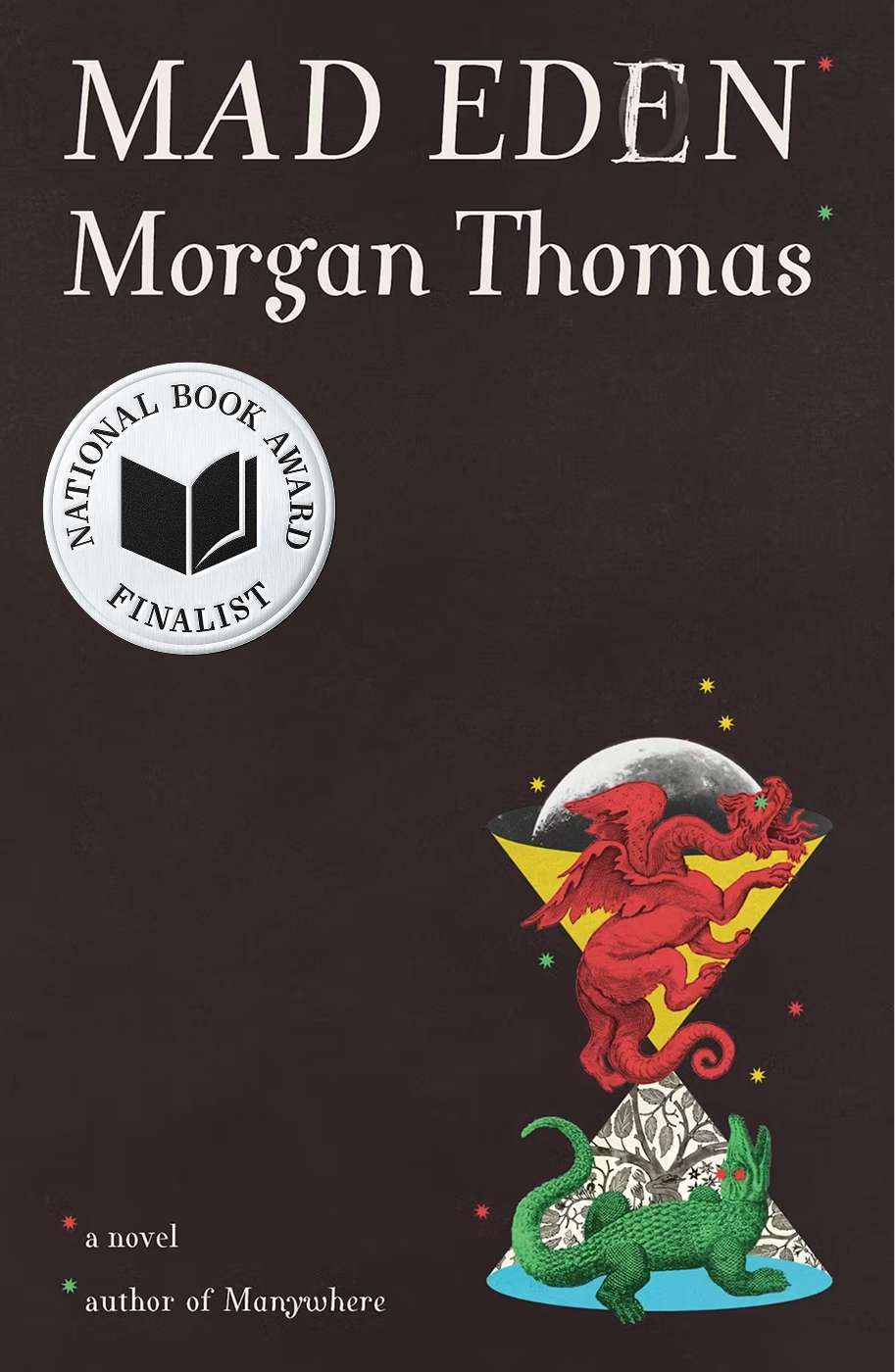
From the publisher:
Ro and Liam live in a ramshackle cabin in a secluded stretch of Florida. Neither their home nor their sometimes-tumultuous relationship is what the world would call perfect, but to Ro—newly diagnosed with autism and working as a patient navigator for people seeking gender-affirming care—their life, despite the deeply inhospitable political climate, is a kind of paradise.
It’s hard to pinpoint exactly what shatters their peace. There’s Quentin, the unpredictable teenager for whom Liam and Ro are quasi-parents, who visits on his way to college, where he plans to finally start T. There’s the appearance of Mad Eden, an online fantasy serial about heroic dragon riders that increasingly becomes Ro’s obsession. And then there’s a seemingly innocuous patient video call that results in consequences both unexpected and grave. This triad of circumstances sends Liam’s and Ro’s world spinning toward disaster—unless Ro can become the real-life hero their situation demands without betraying who they are and who they love.
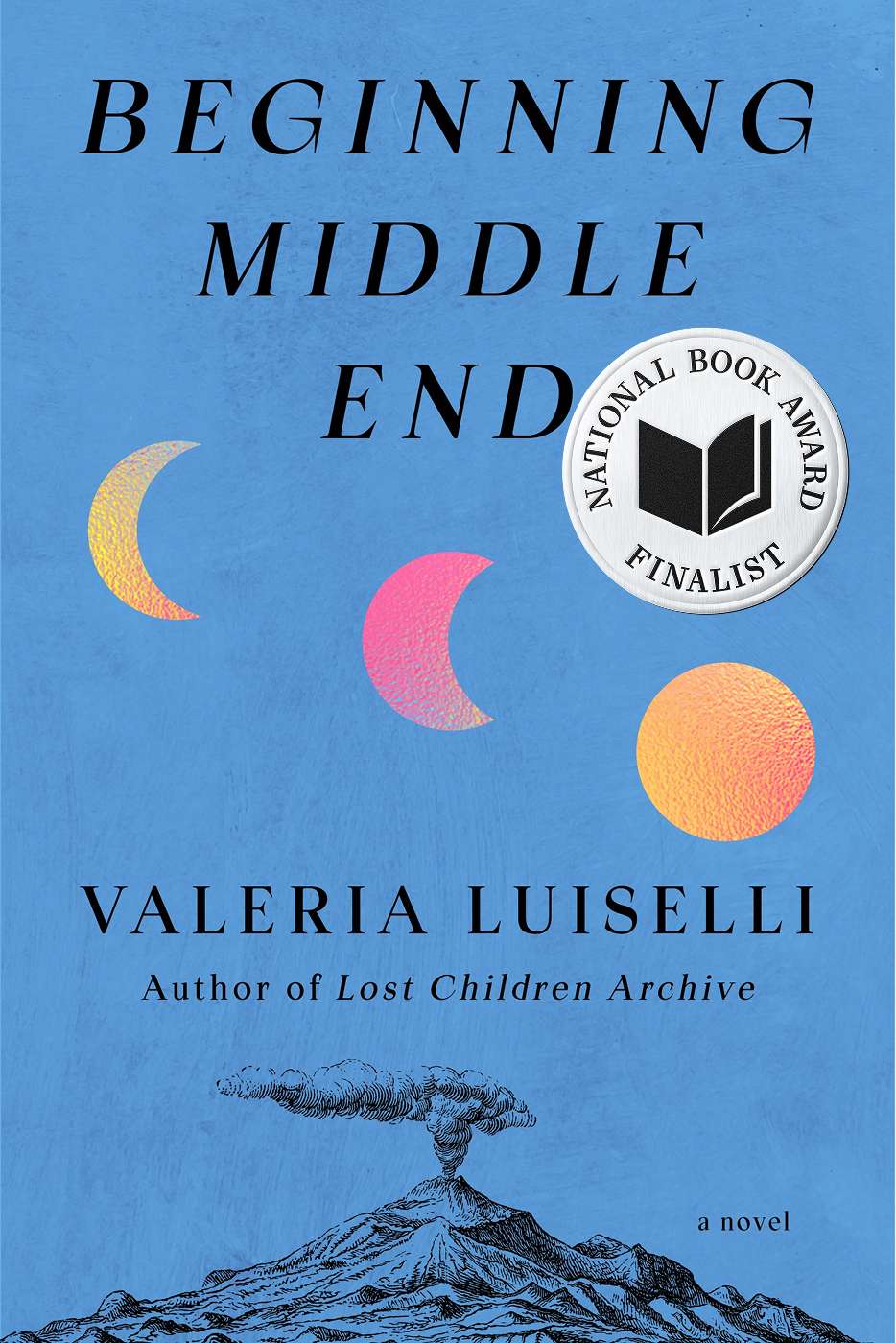
From the publisher:
This story begins when a mother and her daughter take off on a trip. It is a summer of rapidly changing winds, volcanic rumbles, and sudden tempests. They’ve landed in Sicily, near the ancient ruins where the mother’s grandmother worked long ago on an archaeological dig. The narrator’s marriage has collapsed, her mother is losing her memory, and her daughter is on the threshold of adolescence, starting to ask difficult questions and form complex memories. How do you begin again? the narrator wonders, pondering her family line. How do you begin again if you got the beginning wrong?
While the mother tries to figure out how to reconstruct their lives as a duo—cooking meals side by side, reading out loud to each other, playing chess, bickering and making up—her daughter takes the reins of the story, and their journey soon becomes a quest for origins, not just to the familial past across continents, languages, and generations, but also farther back, to a mythical and even geological past.
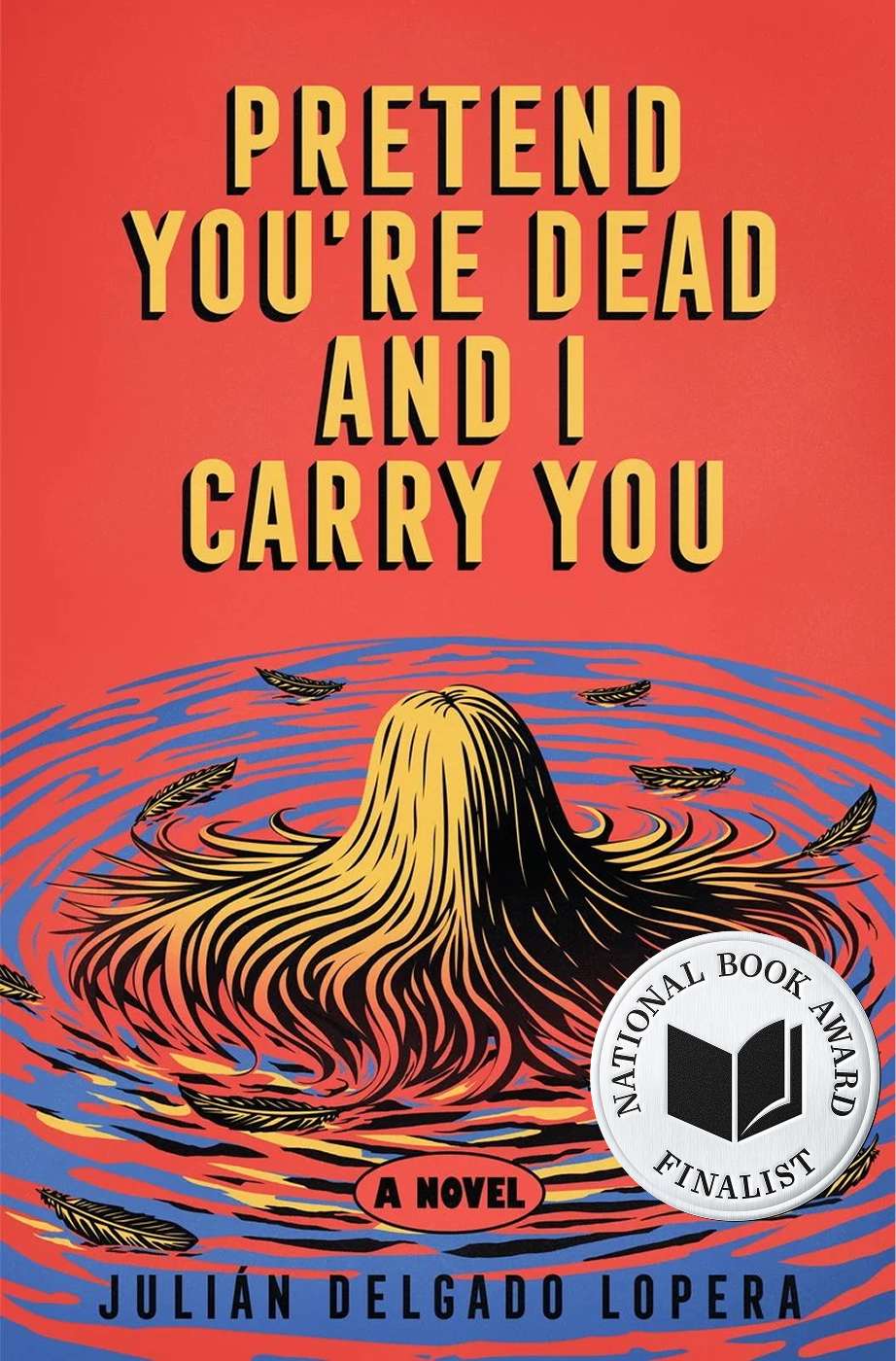
From the publisher:
Cloistered in a dreary Bogotá apartment, Ignacio’s light has dimmed, leaving his teenage daughter, Valentina, to raise herself in the wake of her mother Alma’s death. Lonely and love-starved, Valentina aches to discover the details of her mother’s drowning, and for her father to snap out of his depression. But Ignacio can’t. He spends listless afternoons smoking cigarettes in long blonde wigs, telenovelas humming in the background, haunted not only by matrimonial guilt, but by memories of a young man he once loved and betrayed.
From Ignacio’s tragic past emerges the luminous queen of Bogotá’s queer underground, Mamadora Eléctrica, the wise travesti who he first met under the silvery lights of Club Aquario when he was just a shy country boy. With Alma gone, Mamadora steps in as a mother figure to Valentina the way she once did for the girl’s father. But as an expert in Travesti Lore, she fears the worst: that Ignacio’s self-destruction may have unleashed a curse on them all.
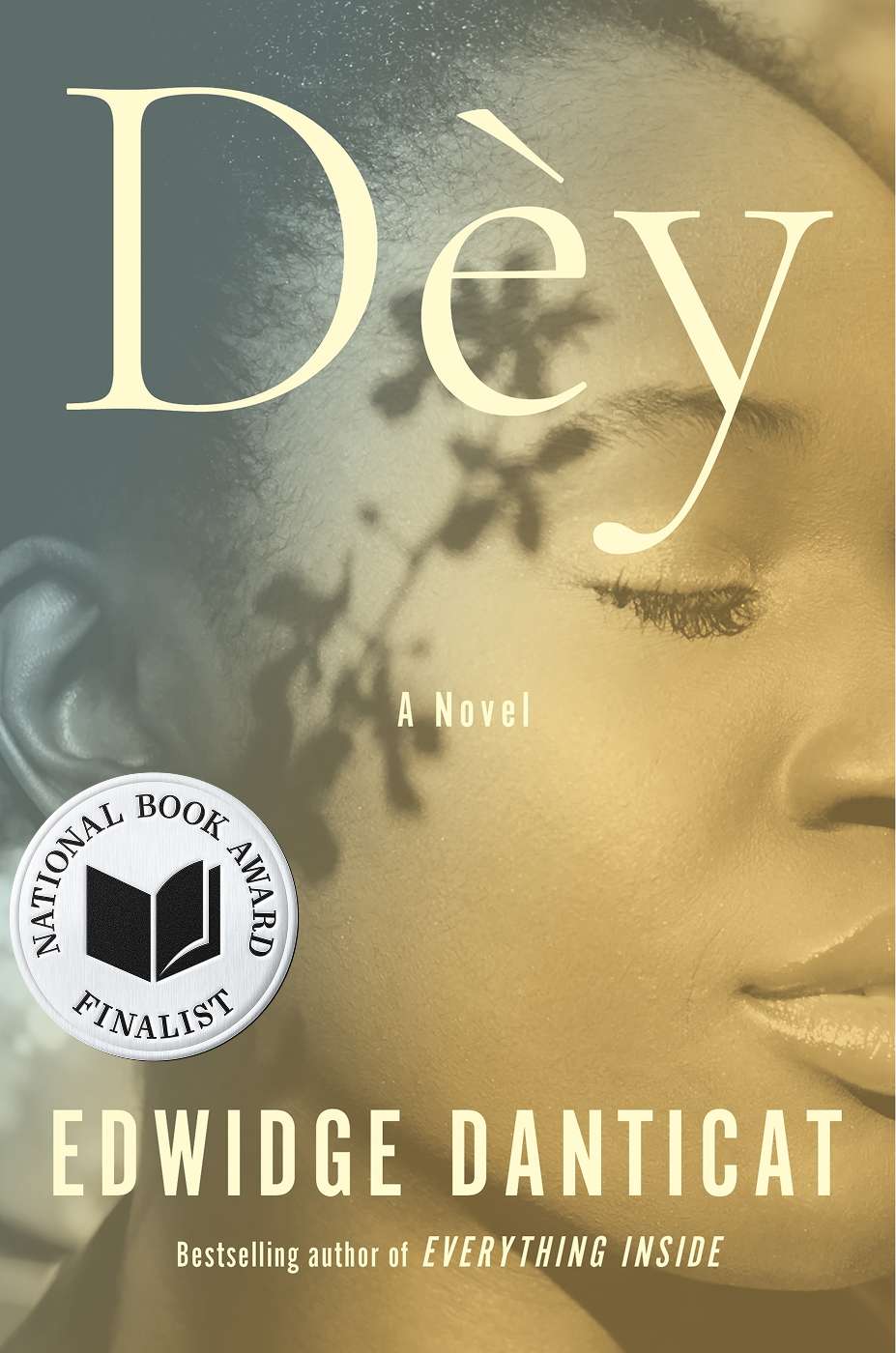
From the publisher:
“Is home the place where we are born? Or is it the place where we die?” These questions haunt Magnolia, a successful Haitian American real estate agent in Miami. When she hears gunfire while at a shopping mall, she takes shelter in a nearby restaurant, cowering with fellow shoppers and diners. Once she’s safely home, Magnolia keeps this traumatic event from everyone. But given her life back, she begins to see everything clearly: her extraordinary bond with her daughter, Zoë; her nearly broken relationship with Zoë’s father; the challenges of her mentally troubled mother, whose unraveling patterns Magnolia worries she’s spiraling toward herself; and her father’s affair with a woman who has borne him a child. While struggling through the labyrinth of her past, Magnolia must also come to terms with the losses sustained that life-altering day, and nearly every day by her parents and sibling in Haiti.
Can love or family protect us from harm? Does optimism or fear win out in one’s heart? Which side will prevail for Magnolia? Pulled between these questions, each of which involves a high-stakes choice—Miami or Haiti, single or married, mortal or ghost, before or after—Magnolia is a narrator who is “yon pati koukouy, part firefly:” flitting and shimmering between different worlds.
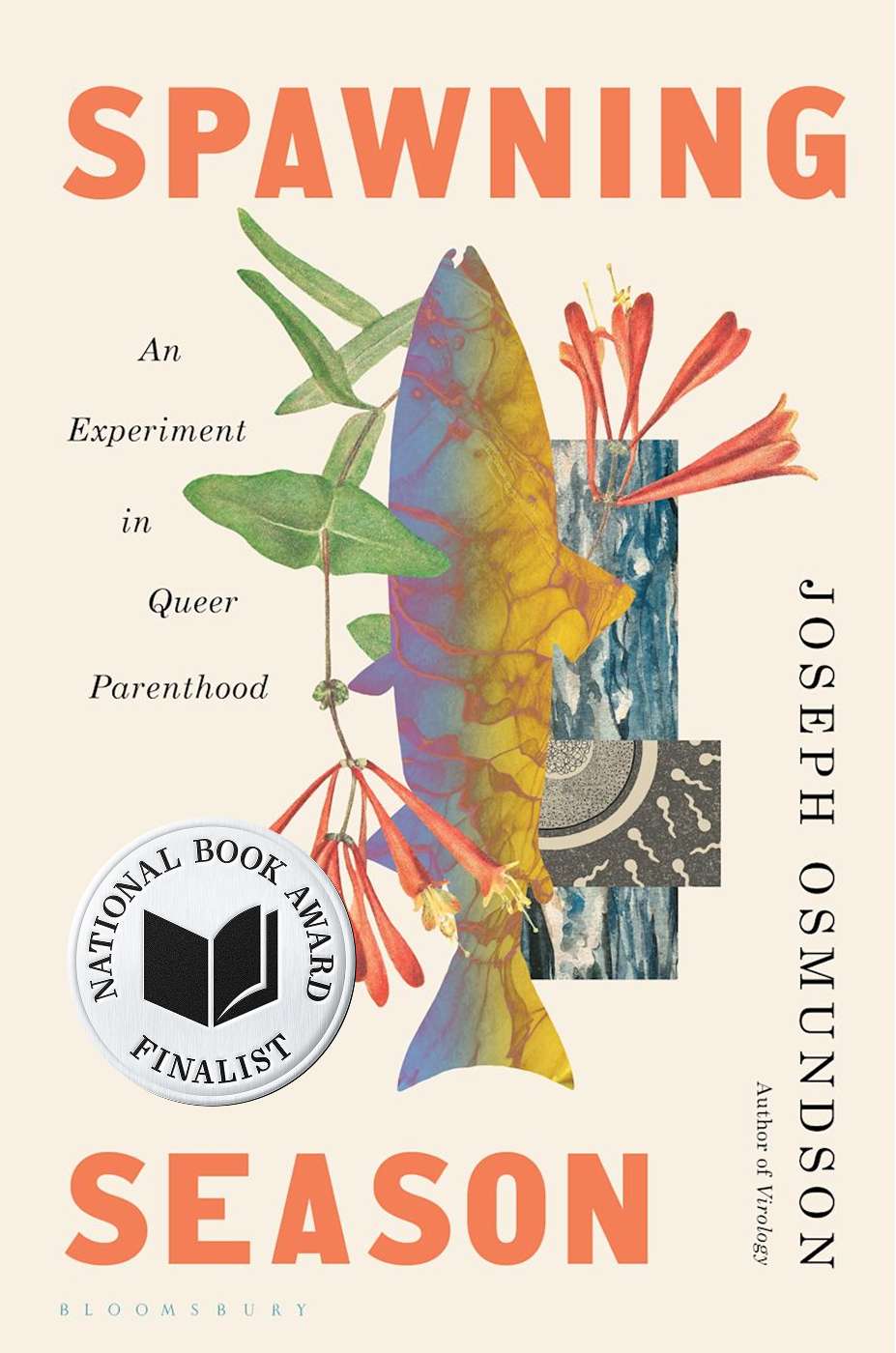
From the publisher:
Since grade school, Joseph Osmundson dreamed of being pregnant. As he grew into the queer scientist he is today, the economic precarity of academia and the warming planet led to his decision not to reproduce. That is, until a lesbian couple he had known since college came to him with a proposition: would Joe be a bio-dad and would he co-parent alongside them?
Soon everything was falling into place. But when the two partners communicated their need for a child to reflect their own racial backgrounds, Joe’s whiteness exposed fault lines in their parenting journey. Spawning Season is a genre-bending memoir that treats the scientific as integral to the personal and that builds an entire species of the grief we carry in our bodies. In exploratory prose that builds on the work of Donna Haraway and José Esteban Muñoz, Osmundson considers the ethics of child-rearing in the 21st century, the brutal wonder of caregiving, and the joys and intricacies of building family beyond biology.
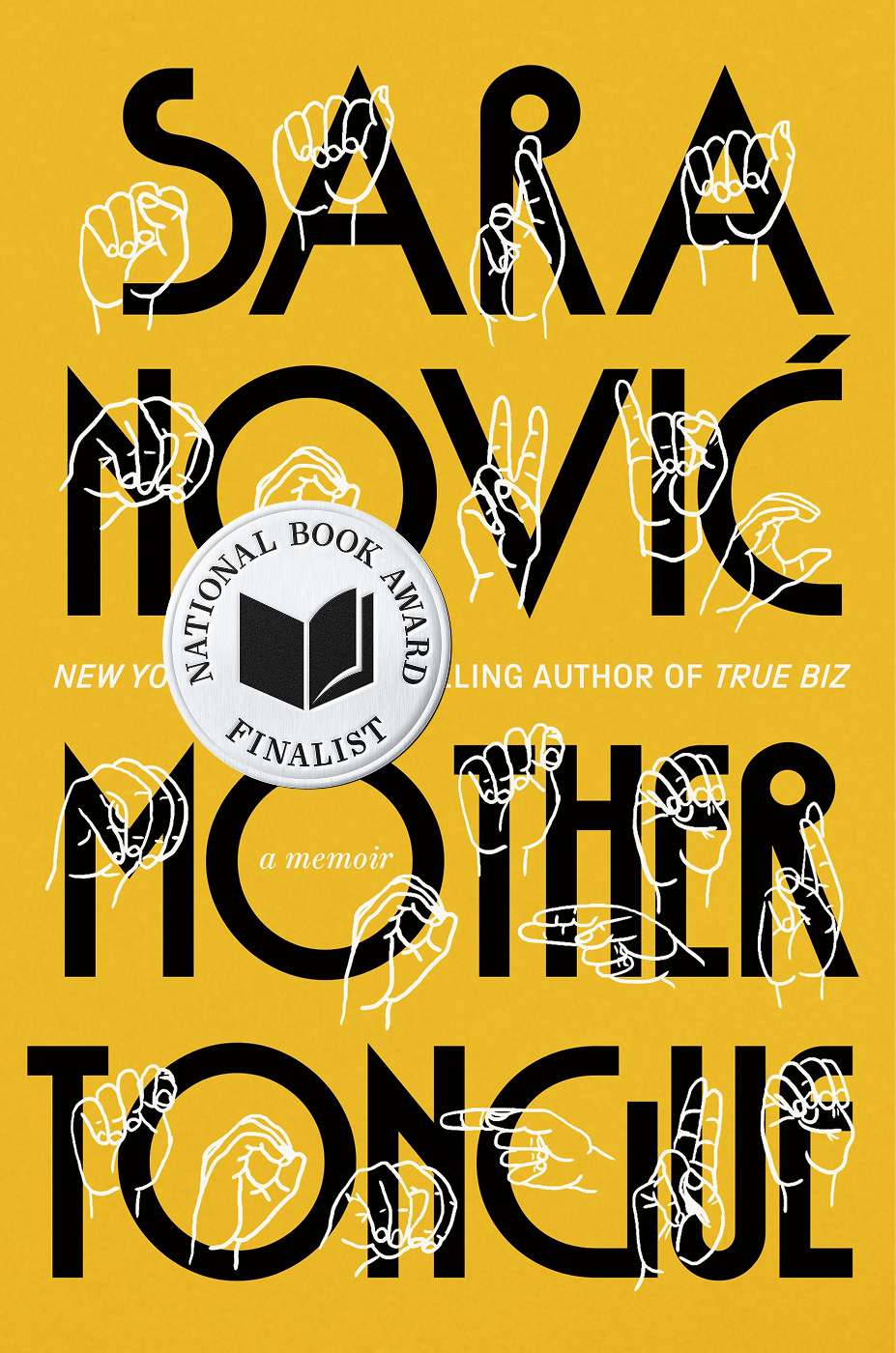
From the publisher:
Sara Nović’s early years were steeped in music, Bible study, and a strong desire to fit in. But when she failed her school’s mandated hearing test, her worldview was thrown into chaos. Desperate not to be marked as different, she told no one, staying in the hearing world for as long as she could by brute force.
Eventually unable to ignore the fact that she was deaf, Nović sought out other deaf people and was welcomed into a tight knit community rooted in the beauty and joy of American Sign Language. Nović realized that rather than maintaining the facade of her old life or trying to straddle two worlds, she would need to cultivate an existence in the space between.
Now the mother of two young sons—one, biological and hearing, the other, adopted and deaf—Nović reflects on her life both before and after parenthood. She’s raising her children within the deaf world, offering them things her younger self needed, all the while knowing that as her children grow, their own paths will branch off from hers in ways she cannot fully predict or plan for.
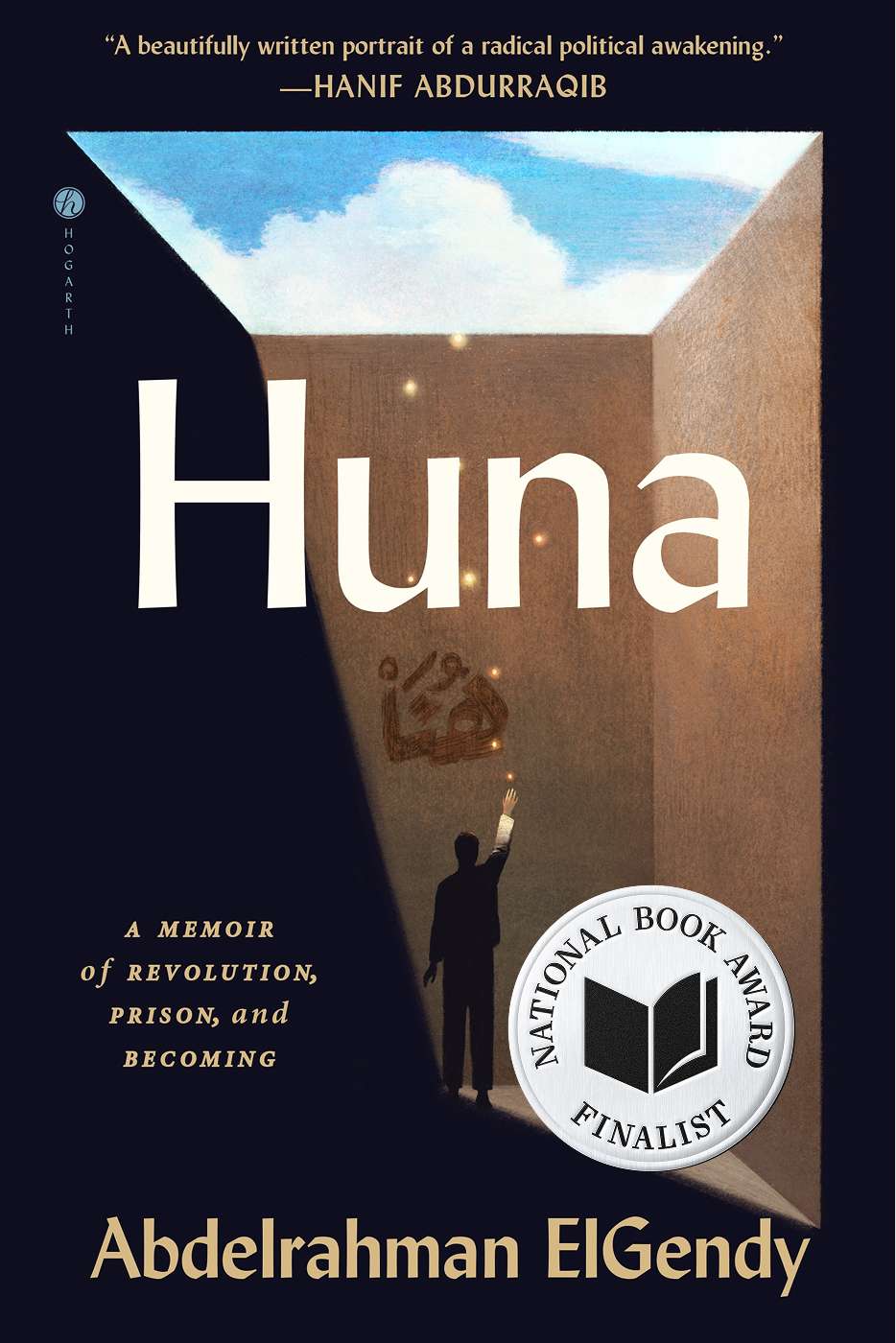
From the publisher:
In 2013, two years after the January 25 revolution, 17-year-old Abdelrahman ElGendy was a budding student activist in Cairo. Hope for a free Egypt had dissipated, and when that summer’s military coup unleashed unprecedented massacres of protesters, Abdelrahman didn’t hesitate—he joined the street movement. His father, fearing for his son’s safety, accompanied him to a mass demonstration. But minutes after they arrived, they were swept up in a brutal police crackdown, and their lives were shattered.
Crushed inside a holding cell, Abdelrahman first heard the words of the Arab world’s most enduring protest song, “Sawfa Nabqa Huna”—We Will Remain Here. He wondered: if no one wanted to remain behind bars, what was the “here” they chose to inhabit?
Abdelrahman would spend the next six years as a political prisoner chasing this Huna, shuffled, alongside his father, from jail cell, to pre-trial detention center, to The Scorpion, Egypt’s most infamous prison complex. As his body broke under the grind of incarceration with no end in sight, he turned to the only refuge left to him: the page. He earned his bachelor’s degree in engineering while imprisoned, read and wrote voraciously, and, through writing, bore witness.

From the publisher:
Over the past decade, Camonghne Felix has been at the center of American politics, working in strategy, communications, and as a speechwriter. Throughout it all, she has maintained her unwavering belief in language’s foundational revolutionary potential, outside of its deployment for legislative and political ends. In this groundbreaking work of nonfiction, she argues that Black radical poetic traditions model an ethical code and overcome entrenched structures of patriarchy and paternalism, inventing a new form that examines the historical and legislative, and the personal and poetic.
Felix draws on stories from her life in campaigns and the decisions she has had to make: preparing speeches for candidates, responding to harassment, recruiting staff. She recounts her moving personal history—accompanying her mother, a lawyer, to court, and her father, a participant in the Grenadian revolution of 1983, to protests—as well as her coming-of-age being schooled in a wider tradition of Black radical thinkers, from Gwendolyn Brooks to Audre Lorde.
