
Subscribe to our newsletter
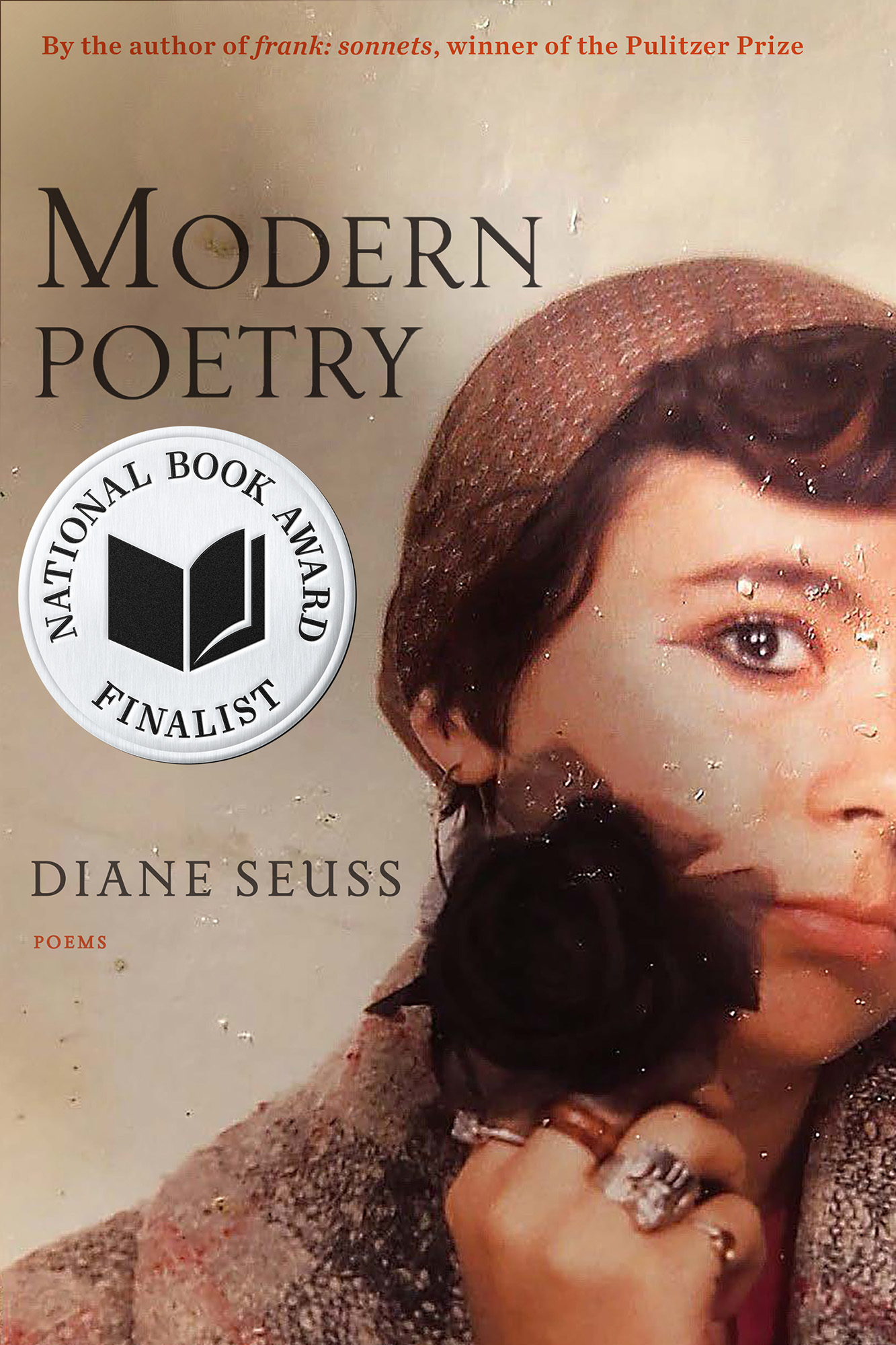
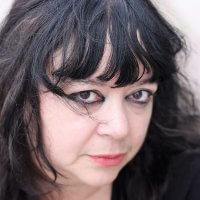
Diane Seuss is the author of six books of poetry, including Modern Poetry; frank: sonnets, winner of the Pulitzer Prize, the National Book Critics Circle Award, the Los Angeles Times Book Prize, and the PEN/Voelcker Award; Still Life with Two Dead Peacocks and a Girl, a finalist for the National Book Critics Circle Award; and Four-Legged Girl, a finalist for the Pulitzer Prize. More about this author >
From the publisher:
Diane Seuss’s latest collection takes its title, Modern Poetry, from the first textbook Seuss encountered as a child and the first poetry course she took in college, as an enrapt but ill-equipped student, one who felt poetry was beyond her reach. Many of the poems make use of the forms and terms of musical and poetic craft—ballad, fugue, aria, refrain, coda—and contend with the works of writers overrepresented in textbooks and anthologies and those too often underrepresented. Seuss provides a moving account of her picaresque years and their uncertainties, and in the process, she enters the realm between Modernism and Romanticism, between romance and objectivity, with Keats as ghost, lover, and interlocutor.
In poems of rangy curiosity, sharp humor, and illuminating self-scrutiny, Modern Poetry investigates our time’s deep isolation and divisiveness and asks: What can poetry be now? Do poems still have the capacity to mean? “It seems wrong / to curl now within the confines / of a poem,” Seuss writes. “You can’t hide / from what you made / inside what you made.” What she finds there, finally, is a surprising but unmistakable love.
The lines from the first poem of Diane Seuss’s collection—“poetry, / this dog I’ve walked and walked / to death”—disclose that Modern Poetry is certainly not an esoteric, highbrow contemplation of the artform. Rather, Seuss’s vigorous tropes and a singular syntactical logic reveal anew the paramount relationship between poetry’s graces and failures. Her forthright insights and fresh excursions recontextualize poetry’s tender and tense relationship with herself, with ourselves, and with existence itself.


